Extractive
Metallurgy
of
Copper
Overview: About Copper
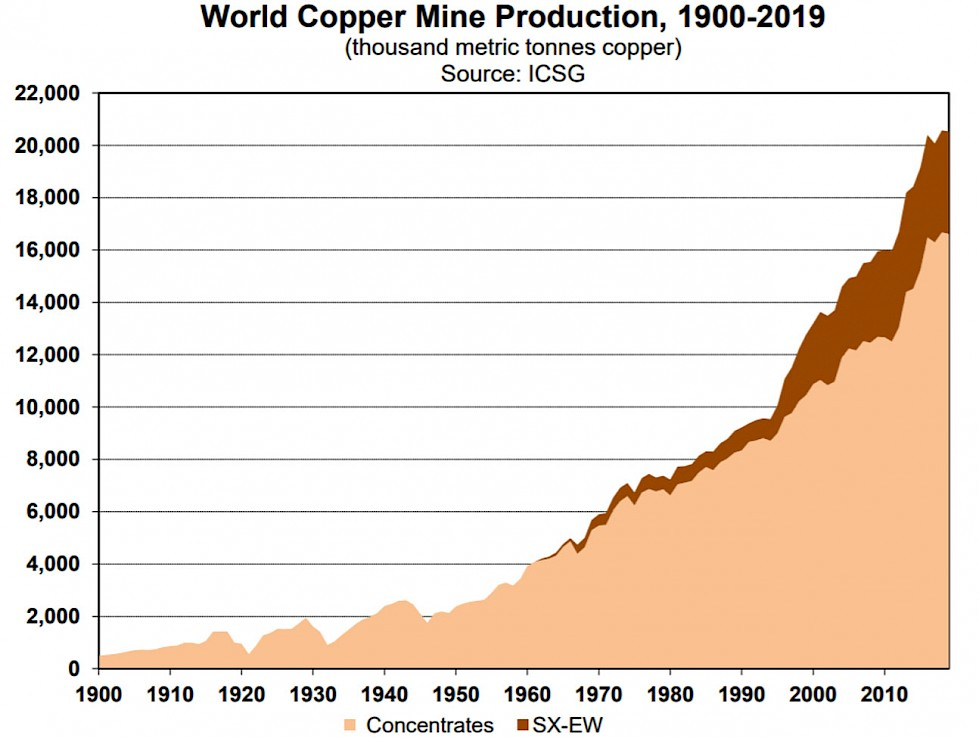
Worldwide, about 21 million tons of copper are mined each year. Currently, about one-third of copper is recycled at the end of its useful life (Statistica, 2020), which adds an additional 5 million tons into the market.
Worldwide, about 21 million tonnes of copper are mined each year. Currently, about one-third of copper is recycled at the end of its useful life (Statistica, 2020), which adds an additional 5 million tonnes into the market.
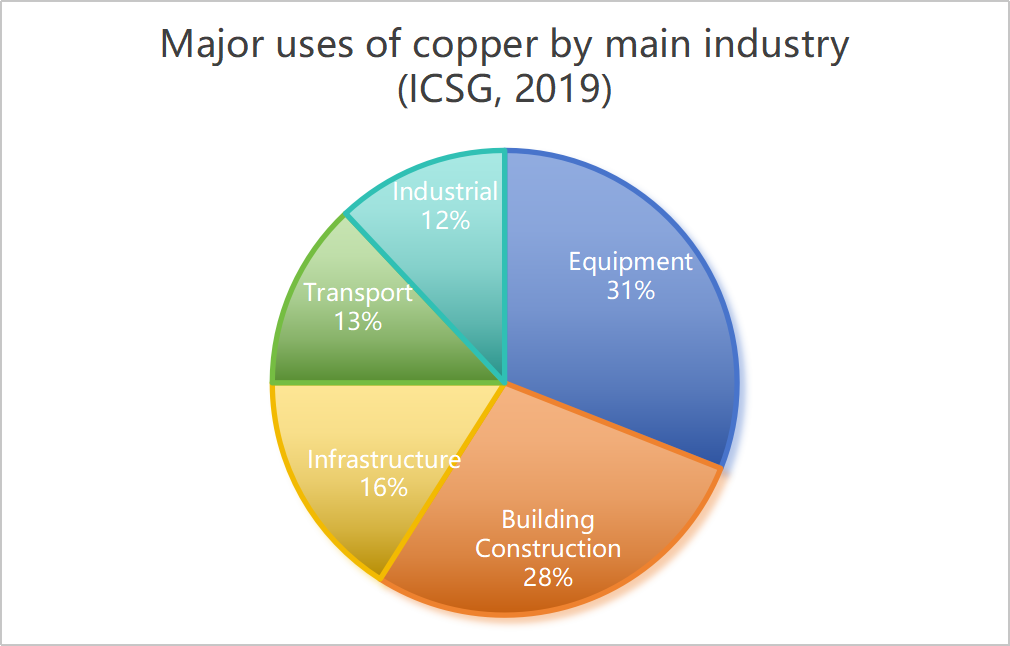
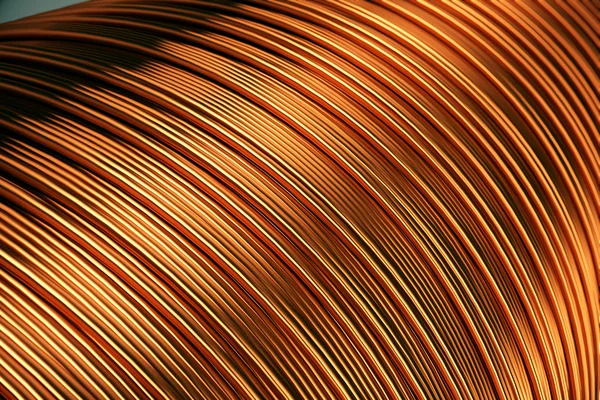
Copper’s most exploited property is its high electrical conductivity, in conjunction with its excellent corrosion resistance, formability, and joinability. Its high thermal conductivity and corrosion resistance are also exploited in many heat transfer applications. Copper is readily alloyed with other metals (mostly zinc) to make complex, strong, corrosion-resistant castings.
Properties
Element Name | Copper, Cu |
Atomic Number | 29 |
Atomic Weight | 63.546 g/mol |
Colour | Reddish-orange metallic luster |
Melting Point | 1,085°C (1,984°F) |
Boiling Point | 2,562°C (4,644°F) |
Electrical Conductivity | Very high (~59.6 × 10⁶ S/m, second only to silver) |
Thermal Conductivity | Excellent (~401 W/m·K at 20°C) |
Magnetic Properties | Diamagnetic (weakly repelled by magnets) |
Global Production: Major Producers
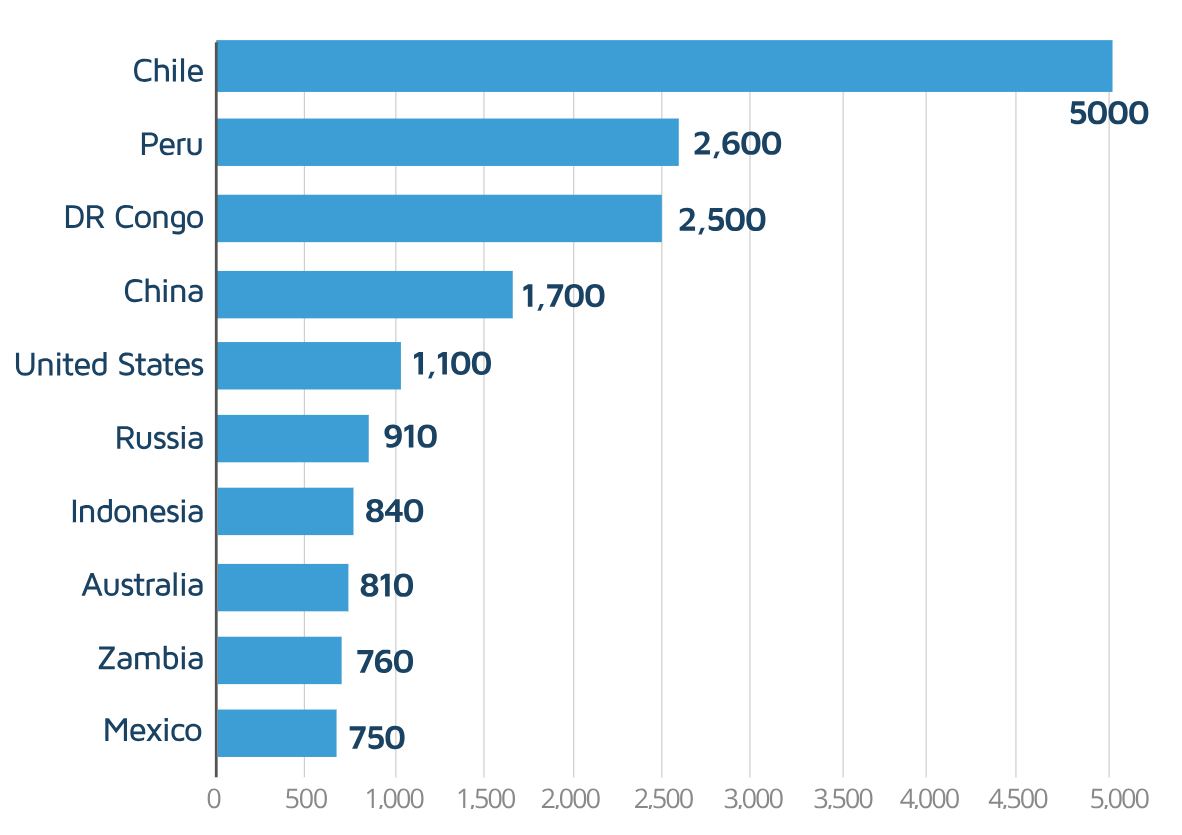
The Figure on the right shows global copper mine production. Mine output was almost 21 million tons in 2019, most of which was in the form of concentrates; about 20% of mine production uses hydro-metallurgical processing involving solvent extraction and electrowinning (SX-EW) of copper cathode. The Andes mountain region is the world’s largest source of copper, accounting for about 1/3 of global output. Followed by the African Copper belt, China and US are major producers as well. The remaining production is scattered around the world.
Smelter & Refinery (Pyrometallurgy)
The first stage of copper extraction from sulfide ores is production of high-grade (~ 25% Cu) particulate concentrate from low-grade (~0.5%-2% Cu) Ore. This is always done at the mine site to avoid costly long-distance transport of the ore’s waste rock. Chile is by far the largest concentrate exporter, shipping out ~ 3000 kt/a of contained Cu. China is by far the biggest importer, processing ~7000kt/a of Cu-in-concentrate.
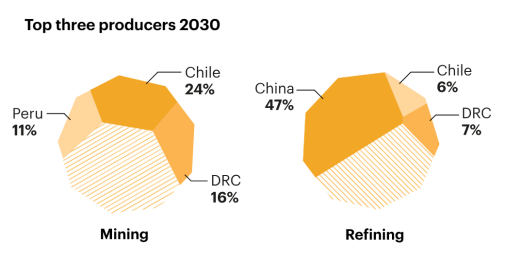
Thus, China has the largest smelter in the world and also possesses wide experience in copper smelting and refining. The world’s largest smelters are listed in below table. In 2018, China accounted for about 40% of world smelter production, followed by Chile (10%) and Japan (7%).
Smelter | Country | Capacity (kt/a Cu) | |
1 | Guixi | China | 900 |
2 | Birla | India | 500 |
3 | Chuquicamata | Chile | 450 |
4 | Jinchuan(Fengchenggang) | China | 450 |
5 | Hamburg | Germany | 450 |
6 | Besshi/Ehime(Toyo) | Japan | 450 |
7 | Saganoseki/Ooita | Japan | 450 |
8 | El Teniente | Chile | 400 |
9 | Jinchuan | China | 400 |
10 | Jinchuan | China | 400 |
Electro Refinery
The main product of smelting is copper anodes, which are treated in an electro refinery to produce pure-high (<25 ppm impurities) copper cathode. Copper refineries are usually built near the smelters that supplies them with anodes or in a convenient central locations close to several smelters. There is also a small amount of world trade in anodes, which favors coastal and riverside electro-refineries. The world’s largest electro-refineries are listed in the table below.
Refinery | Country | Capacity (kt/a Cu) | |
1 | Guixi | China | 1000 |
2 | Jinchuan | China | 650 |
3 | Daye/Hubei | China | 600 |
4 | Yunnan | China | 500 |
5 | Birla | India | 500 |
6 | Jinchuan | China | 450 |
7 | Toyo/Niihama | Japan | 450 |
8 | Amarillo | United States | 450 |
9 | Chuquicamata | Chile | 450 |
10 | Onsan I | Korea | 440 |
Hydrometallurgical Plant
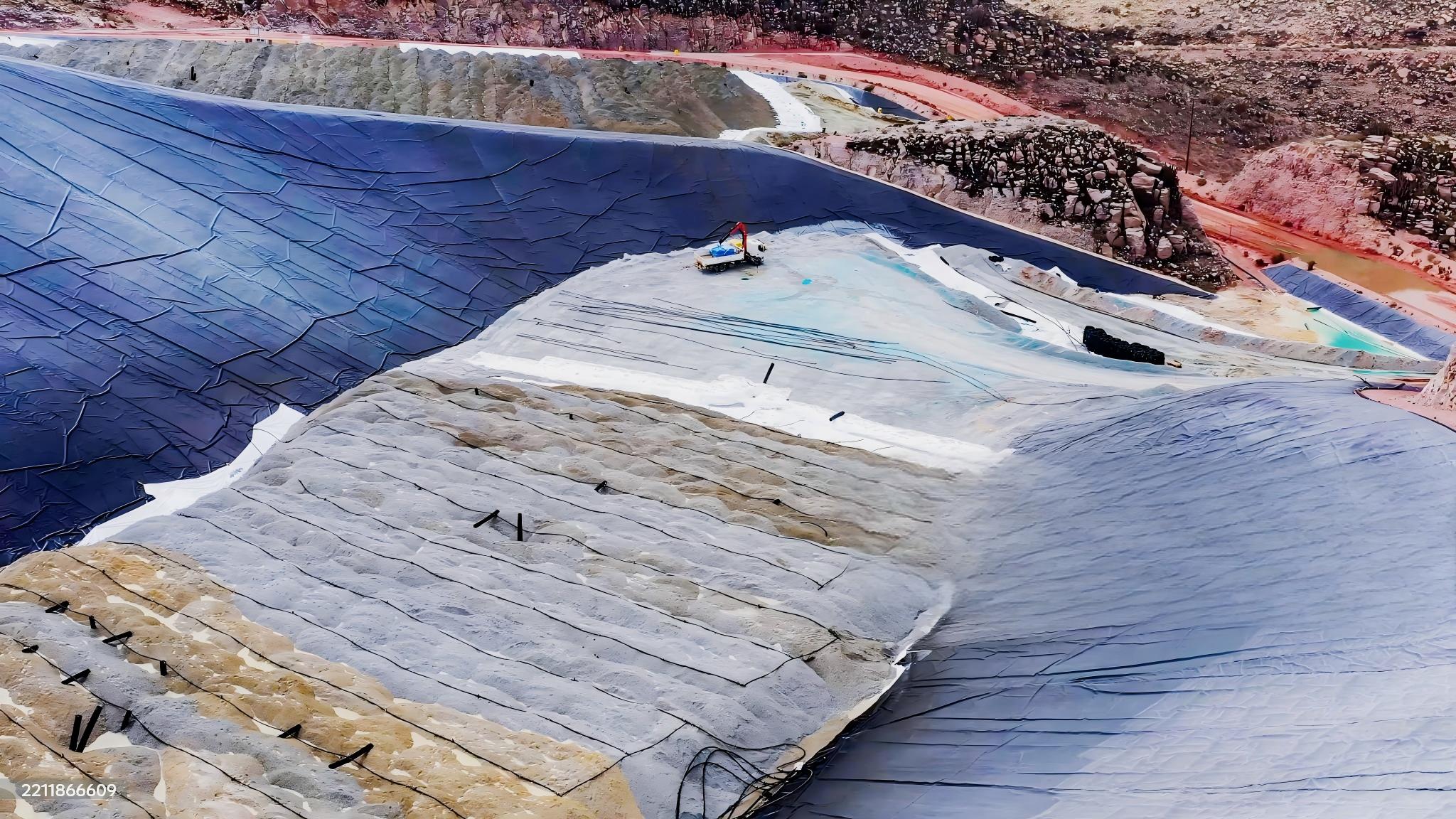
Beginning in the mid 1980s a new technology, commonly known as the leach-solvent extraction-electrowinning process or, SX-EW Process, was widely adopted. This new copper technology uses smelter acid to produce copper from oxidized ores and mine wastes. Today, worldwide, approximately 20% of all copper produced is produced by this is process. Leach-SX-EW operations are always located next to their mines. This is because ores that are suitable for leaching are low in copper grade, and hence uneconomic to transport.This technology dominates in Chile and the African Copper Belt.