2024-04-05
The Future of Copper
Recycling
Source from Faster Capital
As the world continues to progress, the demand for copper is on the rise, with its usage in industries such as electronics, construction, and transportation. Copper recycling has become increasingly important in recent years as it provides a sustainable source of copper, reducing the need for mining and conserving natural resources. The future of copper recycling looks promising, with advancements in technology and increased awareness about the environmental impact of mining.
Here are some insights on the future of copper recycling:
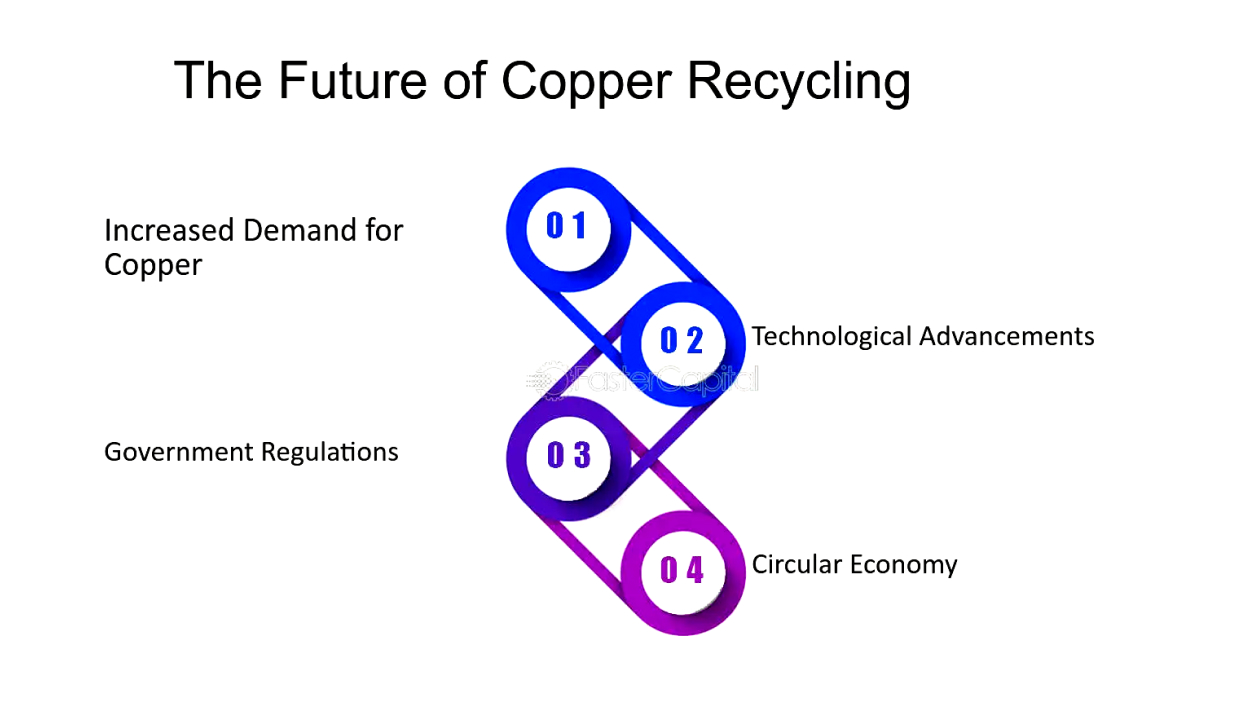
1. Increased Demand for Copper: The global demand for copper is projected to increase in the coming years due to the rise in population, urbanization, and industrialization. This increase in demand will lead to a rise in the price of copper, making recycling a more attractive option for manufacturers.
2. Technological Advancements: The use of technology in copper recycling is increasing, making it easier and more efficient to recycle copper. For example, innovations such as electrochemical processes and hydrometallurgy allow for the extraction of copper from complex ores and electronic waste, which were previously difficult to recycle.
3. Government Regulations: Governments around the world are implementing regulations to promote the recycling of copper and reduce the environmental impact of mining. For example, the European Union's Waste Electrical and Electronic Equipment (WEEE) directive requires the recycling of electronic waste, including copper-containing components.
4. Circular Economy: The concept of a circular economy, where resources are kept in use for as long as possible, is gaining traction globally. This approach promotes the recycling of materials such as copper, reducing waste and conserving natural resources.
The future of copper recycling looks bright, with increased demand for copper, technological advancements, government regulations, and the adoption of a circular economy. Copper recycling is an essential part of sustainable development, and it is crucial that we continue to promote and invest in it.